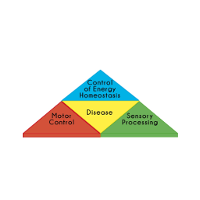
Programme overview
Preparatory Phase
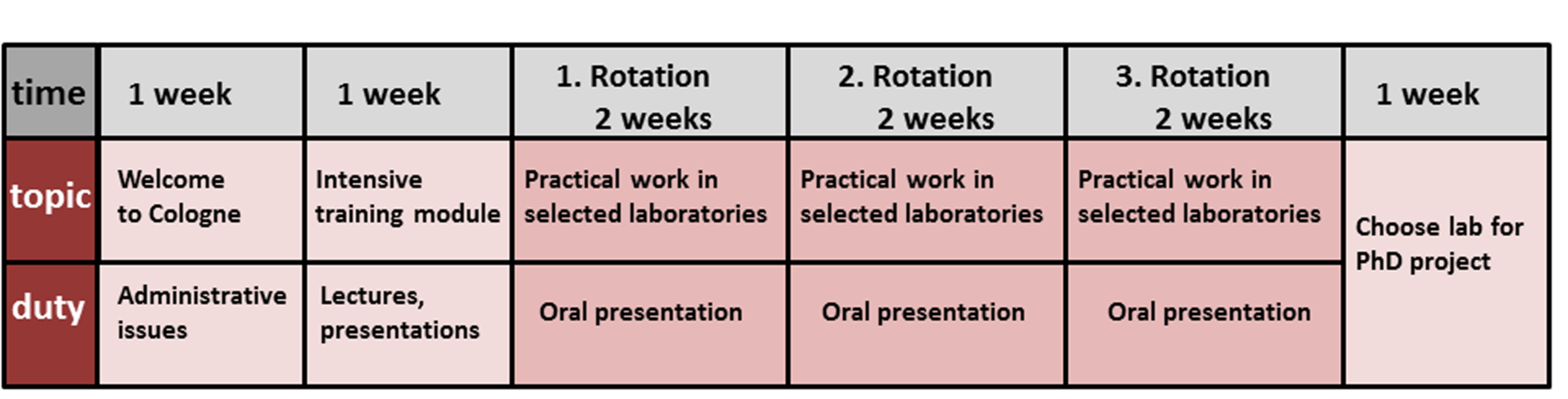
Doctoral candidates of the RTG, who come from outside Cologne will be helped intensively during the first weeks to get settled in Cologne.
During the initial joint one-week training module all RTG PIs will present their group’s research, and give the broader research context. They will also explain the RTG project proposals in which they are involved, making the nature of the collaborative effort for each proposal clear to the graduate students.
Each of the three two-week lab rotations is two-tier and takes place in the labs of both PIs of the collaborative projects. During the rotations, candidates will get acquainted with the experimental details they would use in the particular collaborative project for their doctorate. At the end of each rotation candidates will give short oral presentations about the rotation. By this measure it can be assessed how well the candidates understood the projects, whether they can critically discuss the project and place it into a larger context.
Structured Doctorate Programme
Collaborative and Shared Supervision, Thesis Committees, Written and Oral Reports
As soon as the candidate/research project matching procedure is finished, the resulting two mentors for the doctoral candidate are the ones from the collaborative research project.
The two mentors are of equal importance and will both supervise individual students.
The pairs of cooperating supervisors are selected based on two rationales:
- both supervisors jointly represent the topic of the collaborative research project;
- the second supervisor broadens the setting of the project towards the goal of the RTG by her/his specific area of research expertise and/or by bringing methodological expertise into the project.
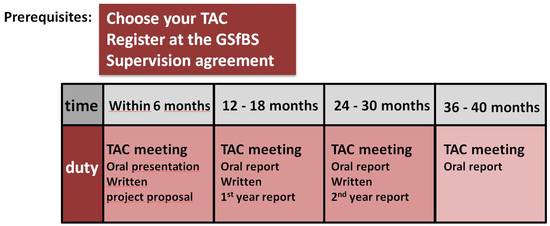
The graduate student and the PIs need to sign statements of agreement that define their duties and rights. According to the rules of the GSfBS, a tutor needs to be identified to complete the Thesis Advisory Committee (TAC) who brings in additional expertise and is independent from any of the two mentors.
This tutor can be an independent group leader or an experienced postdoc from a research group that is independent of the two RTG mentors.
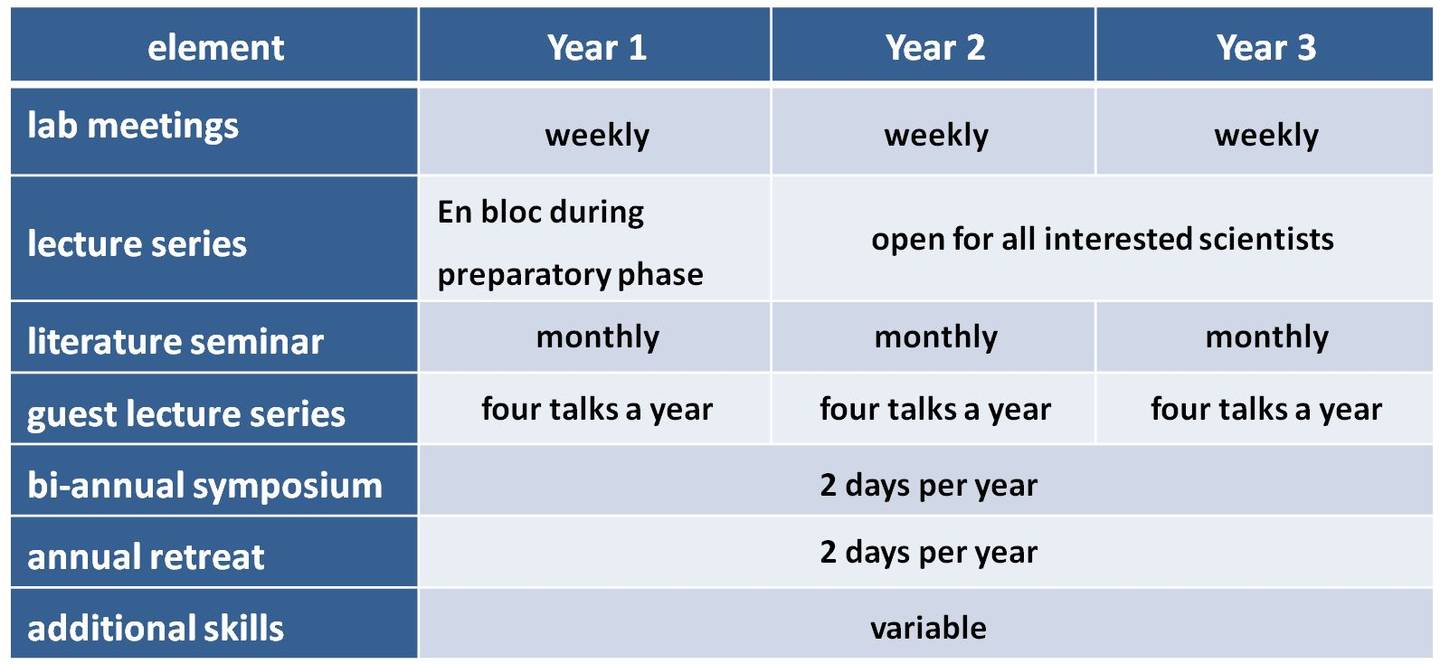
Courses, lectures, symposia
Scientific programme accompanying the PhD.